
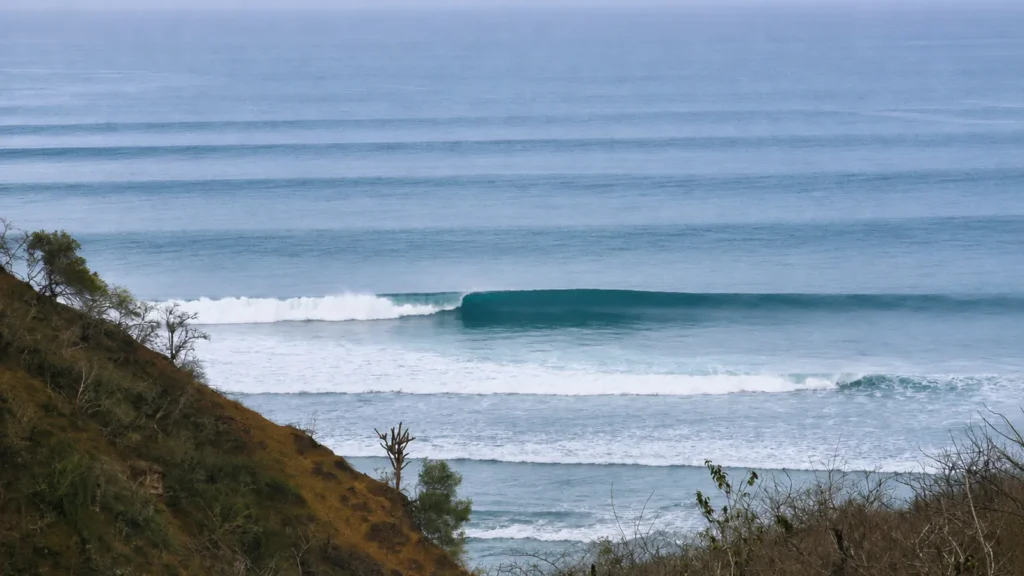
There are days at home when you look at the forecast and, on paper, everything points to one plan. But if you know the area well enough, sometimes the call feels intuitive: surf earlier, wait an hour, check somewhere else, or simply stay put.
Those calls can make the difference between scoring and hearing your friends ask later, “Where were you?”
After enough years surfing the same coastline, the forecast stops telling the whole story. You start recognizing patterns that are hard to explain until you’ve seen them happen again and again.
So what happens when you travel somewhere you’ve never surfed before?
Information Isn't the Same as Knowing the Call
Surf forecasts have made surf travel easier than ever.
Before you arrive, you can check swell size, direction, period, wind and tides, and, God forbid, live cams of the spots you want to surf. You can look at maps, read about surf spots and get a pretty good idea of what might happen.
But the ocean and the weather don’t always behave like a predictable machine, and what looks straightforward on a screen does not always play out the same way in the water.
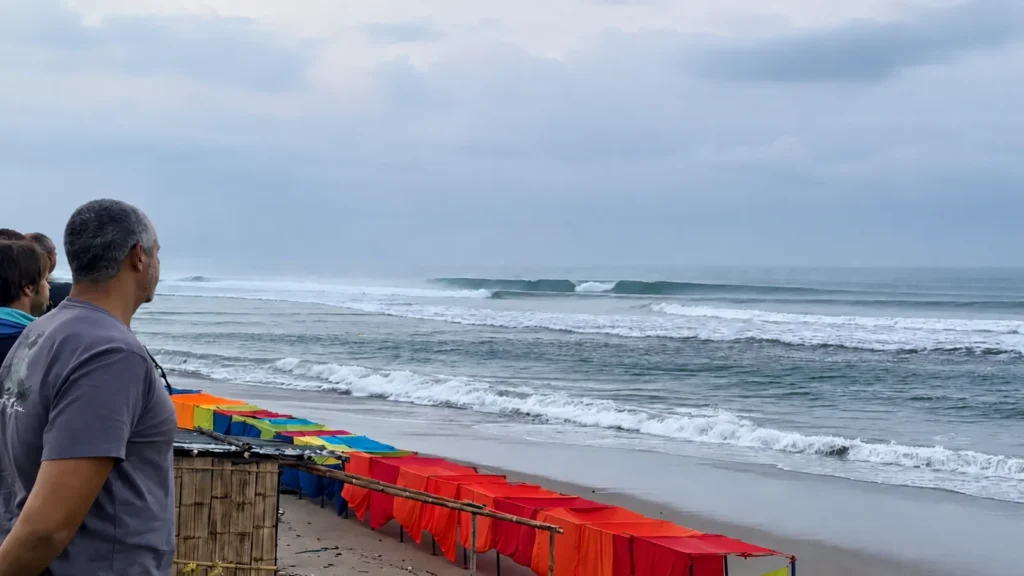
So, having the information is not the same as knowing what to do with it.
Two surfers can look at exactly the same forecast and make completely different calls.
That difference often comes from experience.
Forecasts provide information. Local experience turns it into a decision.
A local has spent years watching how the same coastline responds to different conditions. The value is not simply knowing where the surf spots are. Most spots are easy enough to find now.
The real value comes from knowing how to read what is happening and deciding where your time is best spent.
Some Calls Come From Experience, Not a Checklist
After enough time surfing the same area, you start recognizing patterns.
Sometimes a session looks worth checking even when the forecast does not.
It can feel like instinct, but most of that instinct is experience.
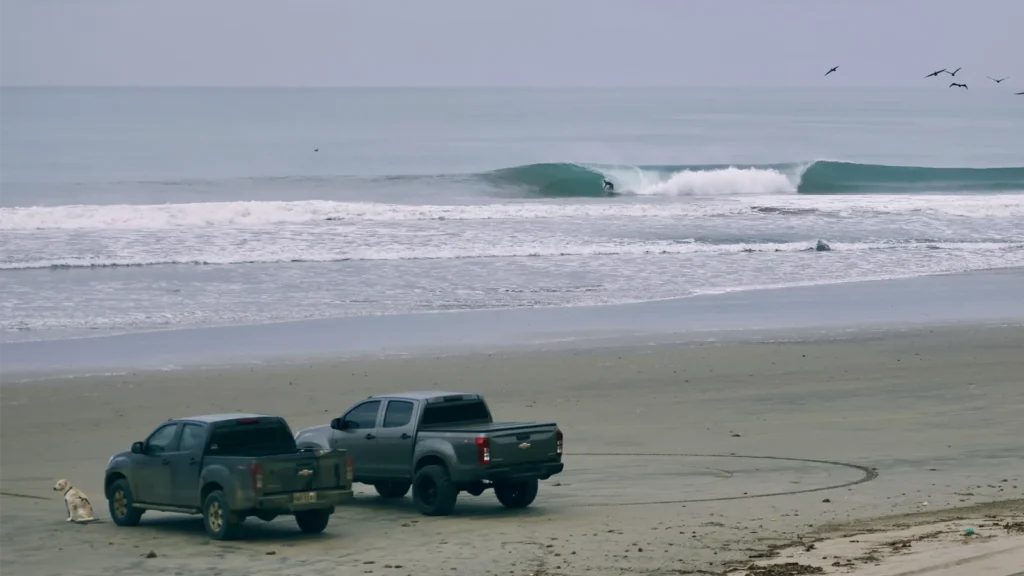
That kind of judgment is built over years. In our case, it comes from surfing and guiding along Ecuador’s coast since 2006.
It becomes especially useful when you only have a few days to surf.
There is another side to the call too: the best waves are not always the right waves for every surfer.
A good guide is not only looking for good surf. They are looking for the waves that make sense for the surfer in front of them.
Your level, confidence, experience in different types of waves and what you want from the session all matter.
The right call is not always the biggest wave or the most famous spot. It is the wave that fits you best that day.
More Than Choosing the Spot
Once you arrive, a lot of smaller things can make the session easier.
Knowing where to enter and exit, understanding how the lineup works and having a better idea of what to expect can save a lot of trial and error, which is already part of surfing somewhere new.
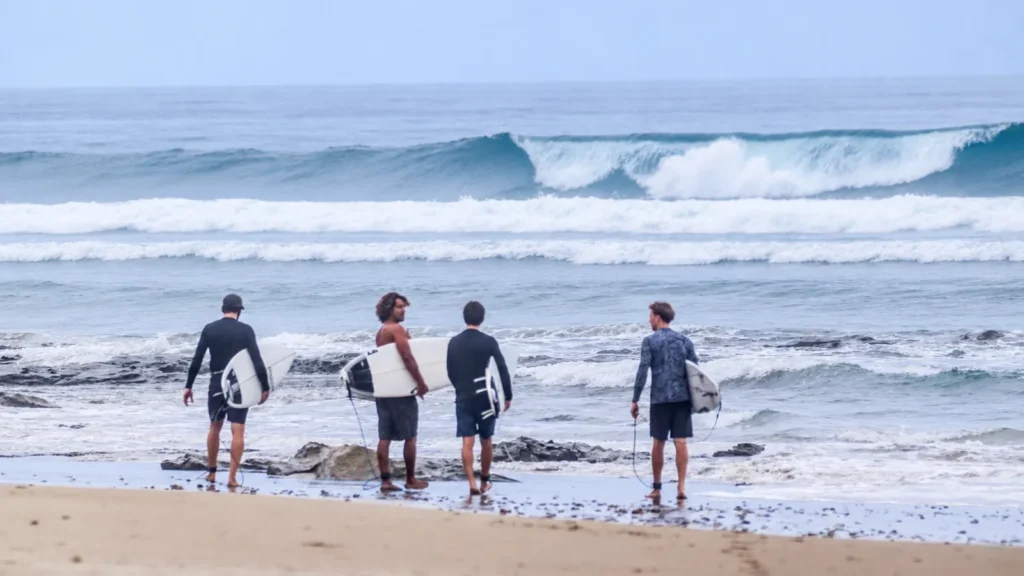
A local guide can help you read the setup from the beach before you paddle out and give you useful context once you are in the water.
None of this sounds dramatic on its own.
But when you only have a few days, those small things add up.
You spend less time trying to work everything out and more time focusing on the reason you came: surfing.
Local Knowledge Includes People, Not Just Waves
Local knowledge does not come only from watching the ocean. It also comes from people.
When you spend years living and surfing in the same area, you naturally build connections along the coast.
Those connections add another layer of information that you will not find online.
Conditions can change quickly, and sometimes knowing what is happening somewhere else helps you make a better call.
That does not mean every decision comes from a phone call or a message.
It simply means local knowledge is part of the surf community itself, not just something you read on a screen.
A Surf Trip Is Also About the Place You're Visiting
A surf trip is rarely only about the hours you spend in the water.
You are also traveling through a place you probably do not know very well.
Where to eat, what is worth checking out, what is easy to organize, what may not be worth your time and how things work locally all become part of the trip.
Having someone local around makes that side of the experience easier.
It also helps you understand the place beyond the surf spots.
So, Do You Need a Surf Guide in Ecuador?
You can read online surf guides, scroll on Instagram, rent a car, follow the forecast, explore the coast and figure things out yourself.
For some surfers, that is part of the adventure.
The real question is how much of your trip you want to spend figuring things out, and how much good surf you are willing to risk missing when you only have a few days.
Having someone who already understands the coastline, the conditions and the local context can help you get more out of your trip.
Finding the information is easy. Making the right call is the hard part.
Less time guessing. More time surfing.
